Saturday, 17 September 2016

What a difference a harrowing makes.

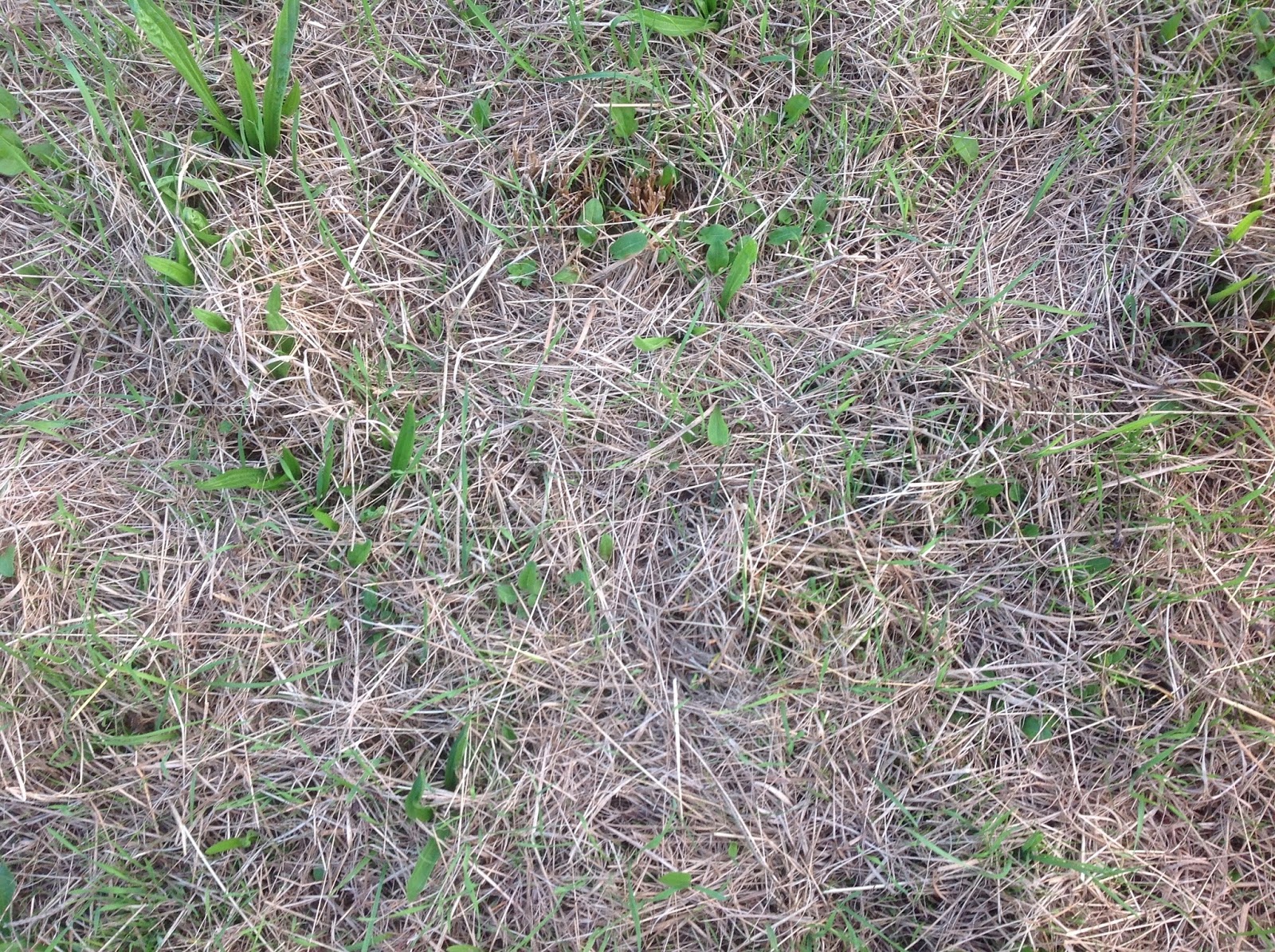
The wildflower meadow has now been harrowed - so there are lots of bare patches of earth. This picture is taken in exactly the same area that I photographed the dense dead grass thatch (see post on 15th September). It now looks very different.
There are the green shoots of new seedlings growing in the patches of earth, so even under the dead grass 'thatch' the seeds were germinating. Time now to get scattering the seeds that I collected a couple of months ago. I want to increase the amount of hay rattle in the upper part of the meadow where the grass is still quite coarse. I am also going to 'top off' this area in the late autumn in order to help keep the courses grasses under control. I guess that it is all about achieving a balance - many years ago autumn grazing by cattle would have achieved the same effect.

The downside of harrowing is that all of the scrapings have to be dealt with. The farmer helpfully leaves them all in the same place - but then it is a hay rake and pitchfork job to move them into a grass heap (if left where they are it would just become a patch of nettles and docks in the field due to the high nutrient area that they would create).


Friday, 16 September 2016

Who is making the trail?

I saw this well marked trail leading from a cut path then going under a hedge and it made me wonder who had made it.


We have foxes, muntjac deer and badgers who could have been responsible, so I set up a motion detection camera to find out.


The first night revealed who had been treading this path!

Thursday, 15 September 2016

Field and grass cutting

The field has been cut - much later than I have done this before so it will be interesting to see the results.
It has not been harrowed so there is still a dense thatch that is preventing the light getting to the seeds on the ground.
It will be harrowed soon, so this will let the light in and get the seeds to germinate.

The late summer cut is also underway - I am doing this for some of the borders and hedge bottoms to grow the later flowering summer plants that will not survive the earlier cut is in the spring meadow.

This labour intensive, as it needs to be done by front bar mower, hay rake and scythe.

I found a strange hole in the grass that looked like a bowl with a hole in the earth underneath it. This looked very strange so I moved the grass with a pitch fork - the ran as fast as I could when I saw the number of wasps flying in and out!


Sunday, 14 August 2016

Winning against the docks!

As the wildflower meadow is due to be cut early next week (several days of good weather are forecast for haymaking) I have been going round and cutting the seed heads off from all of the docks that survived my Roundup Gel earlier in the year. There are so many fewer this year, so a job that in the past has taken two days only took me an hour.

It is very satisfying to see how many dock seeds I am preventing from hitting the ground - I often think that one dock head is like a packet of seeds! As I have been doing this for nearly 10 years just think of the number of seeds that are now not in the meadow.

The early summer flowering plants have now set seed so it is really time for the hay to be cut.
This year I am going to 'top off' the meadow a couple of times during the late summer and autumn to try and reduce some of the coarser grass which is taking over in part of the field.

Saturday, 13 August 2016

Is the Little Owl in residence?

Coming home at twilight a little owl fledgling was sitting in the road about 20 meters away from a tree where I have put up a little owl box. The bird sat in the road then flapped up into a nearby tree. When I put the box up 5 years ago it looked like a good place - a big horizontal branch for the chicks to site out on and tucked away in the ivy near the main trunk of an oak. I thought that it was empty, but I will be keeping a close eye out for 'branching' chicks from now on - and I will make an expedition today to look for pellets under the box.


The little owl box has a 'turn' in it as they like to be hidden away without a direct visual line to the box entrance. The pictures below are of another little owl box which I had a camera in - unfortunately the whole branch that this one was on fell down and I haven't put this second little owl box back up yet - another job for the autumn.


Tuesday, 26 July 2016

Collecting the Rattle seed

Top job at this time of year is collecting the seed from the Hay Rattle before the Wildflower Meadow is cut next week. There is a relatively brief window of two or three weeks between the seed ripening and the grass being cut for hay. The old country saying is that the hay should be harvested when the Hay Rattle rattles - the sounds the seeds make in the dried seed-heads.
Rattle is a vital component of the Wildflower meadow as it is semi-parasitic on grass and keeps the vigour of the grass down allowing the wild flowers to come through. In the upper half of the Meadow the grass is long and quite course, with very little Rattle so I need to spread seed in theses areas, as well as do an autumn 'topping off' of the grass. The Rattle seed is expensive, so harvesting our own is time well spent.

The seed is collected by looking for a newly ripened seed head, holding on to the stalk below and pulling up to remove the seed pods. If you don't hold on to the stalk with one hand while harvesting with the other you will uproot the whole plant. The seeds are collected in a plastic container, and then emptied into a cardboard box so that they dry out and all the seeds are released.
I have scattered them on earth areas in the winter in previous years, but I have noticed that lots don't get to the ground - so this year I am going to scatter the seed straight after harrowing in August.

Ragwort Pulling

I have mixed feelings about pulling up the Ragwort - my neighbours certainly would not thank me for leaving it as windblown seeds pay no respect to the boundaries of the Woodland and Wildflower Meadow. However, I really like seeing the Cinnabar moth caterpillars with their bright orange and black "warning I taste bad" stripes.

Quite a lot of Ragworth has moved into the Meadow this year from an uncultivated strip on a nearby field. It needs to be pulled up by the roots to remove it - so I spent a sweaty couple of hours tugging at the plants. The result was a field clear of ragwort - and there are several places nearby with plenty growing, so the Cinnabar Month will still have a home.

The best reward for hard labour of ragwort pulling was finding this Marsh Thistle growing in the damp area at the bottom the field - a new plant for the Meadow which I hope might get established.